How to Choose the Right Forestry Mulcher Teeth with JYF Machinery
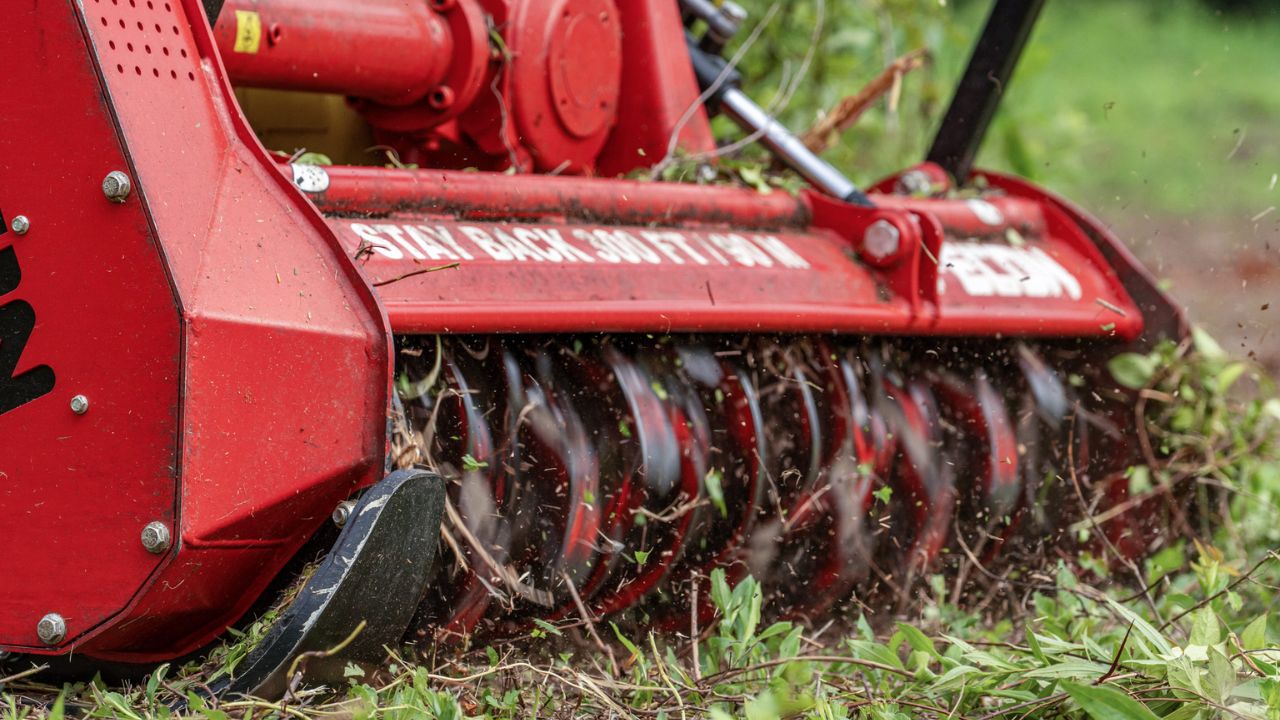
The selection of appropriate forestry mulcher teeth is a decisive factor in the efficiency, durability, and performance of land-clearing processes. These cutting elements have a direct impact on the ability of a machine to grind trees, brush, stumps, and dense vegetation. The improper choice of teeth in challenging conditions like forestry, agriculture, and construction may result in fuel wastage, high downtimes, and high maintenance expenses.
JYF Machinery is aware of these issues and offers as many premium mulcher teeth as possible that are fitted to suit machine types and working conditions. The right choice of product must be made by considering the type of material, application, and compatibility of the equipment.
Understanding Application Requirements
The initial phase of selecting the appropriate forestry mulcher teeth is being aware of the work environment type. Various cutting strengths are needed depending on the terrain and types of vegetation. As an example, standard hardened steel teeth can be effectively used to work on soft brush and light vegetation, whereas the rocky or heavily wooded terrain will require carbide-tipped teeth to be the most resistant and durable.
Carbide teeth are more popular in large-scale forestry operations because machinery is subjected to impact and abrasive materials on a regular basis. They are more wear-resistant and able to sustain cutting efficiency longer. Conversely, when clearing agricultural lands or performing light maintenance, the operators can focus on cost-effective steel teeth, which do not require too much use, resulting in high wear.
Material Quality and Durability Considerations
Material composition is one of the most important factors when selecting mulcher teeth. Alloy steel of high quality offers a great foundation, yet the tungsten carbide highly enhances resistance against abrasion and impact. Carbide-tipped teeth are particularly useful in rough environments where soil, rocks, and hardwood are predominant.
JYF Machinery produces mulcher teeth with a high level of heat treatment and carbide bonding technology, which provides long service life and stability in cutting performance. This minimizes the replacement frequency and assists operators in being productive even when it is used in a continuous heavy-duty mode. The longevity of the teeth not only affects the efficiency of the operation but also safeguards the mulcher rotor against unnecessary stress and damage.
Compatibility with Equipment and Brands
The other consideration in the choice of forestry mulcher teeth is the compatibility with other types of machinery. Mulchers come in many different designs, such as excavator-mounted heads, skid steer attachments, tractor-driven systems, and specialized forestry machines. Every system has tooth shapes, mounting styles, and fitting dimensions required.
The tooth is suited to the proper functioning of the machine, with the rotation of the rotor being balanced and ideal cutting. Misfit may cause vibrations, uneven wear, and decreased machine life. This is why manufacturers such as JYF Machinery are keen on the production of teeth that are compatible with OEM to fit the major global brands, to ensure that operators can change parts without altering their equipment.
Performance Efficiency and Cutting Design
Forestry mulcher teeth design also plays a critical role in the cutting efficiency. The geometry of the teeth defines the extent to which vegetation is cut, shredded, or crushed. Carbide-tipped designs offer aggressive cutting action that works in dense forests, whereas the hammer-shaped teeth are more used in shredding and general clearing.
Balanced design is beneficial because it enhances cutting speed, consumes less fuel, and puts less strain on the machine. The efficient teeth enable operators to do more work in less time, thereby enhancing the overall productivity. JYF Machinery’s high-performance designs are developed to evenly distribute impacts to allow smooth operation even in heavy loads.
Maintenance and Replacement Strategy
The finest and the best mulcher teeth need routine checks and repairs. The wear level can be monitored to avoid any unforeseen failures and guarantee a steady output. Teeth are to be changed when cutting edges become dull or damaged because worn parts lower the efficiency, and add to the working stress on the machine.
The correct maintenance plan involves regular inspections, replacement, and high-quality spare parts have to be used. With durability and well-engineered products offered by JYF Machinery, operators will be able to significantly increase the service intervals and decrease the costs of general maintenance.
Conclusion
The selection of optimal forestry mulcher teeth is a mix of knowledge of how it will be used, the selection of appropriate material, compatibility, and proper maintenance. All factors play a part in ensuring the efficiency, safety, and cost-effectiveness of land-clearing operations.
JYF Machinery offers quality solutions to the needs of the modern forestry and industrial uses with its highly engineered products and a broad product range. Operators can perform better with high-quality mulcher teeth, which will result in better performance, increased equipment life, and better project results by making informed choices and investing in high-quality mulcher teeth.